
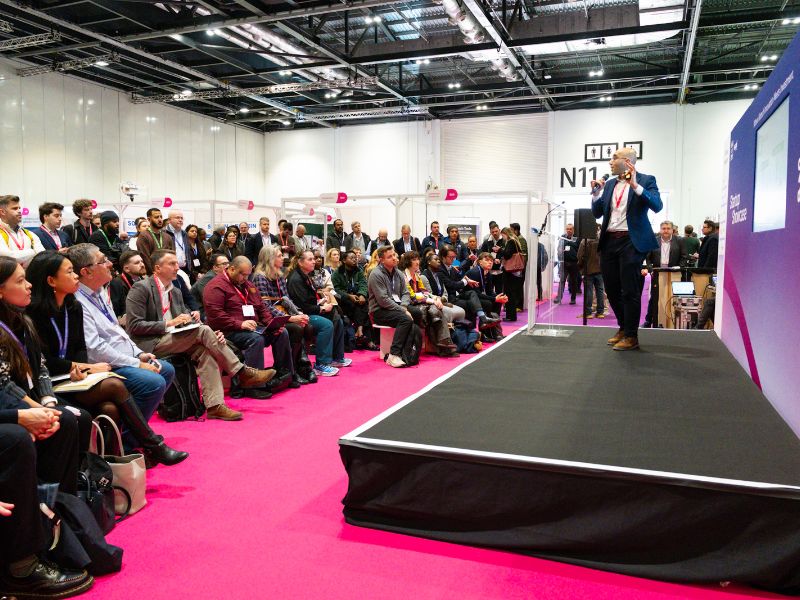
LONDON, November 19: Advances in artificial intelligence, next-generation therapies and biomanufacturing were among the key areas of discussion as the London Biotechnology Show 2026 concluded its two-day programme at ExCeL London.
The third edition of the event brought together researchers, pharmaceutical leaders, technology specialists, healthcare professionals and biotechnology companies to examine how scientific developments are influencing drug discovery, clinical research, manufacturing and patient care.
The conference programme explored the growing role of artificial intelligence and bioinformatics in accelerating drug discovery and improving research processes. Discussions also addressed developments in gene and cell therapies, precision medicine, regenerative medicine and the evolving landscape of biopharmaceutical development.
Other areas of focus included vaccine development, clinical research, diagnostics, digital health and the technologies supporting more efficient and scalable laboratory and manufacturing operations.
Contributions from representatives of organisations including Pfizer, GSK, Amazon Web Services, NHS England, MHRA, ABPI, Genomics England and the University of Oxford brought perspectives from across pharmaceutical research, healthcare delivery, regulation, technology and academia.
The programme also considered emerging research possibilities, including the potential applications of scientific research in low Earth orbit, alongside the opportunities and challenges associated with laboratory automation and advanced research infrastructure.
The exhibition complemented these discussions by showcasing technologies and solutions from companies including Merck, Thermo Fisher Scientific, FUJIFILM Biosciences, Abcam, Novogene, Gerresheimer, Vector Laboratories and Automata.
By bringing together scientific expertise and industry capabilities, the London Biotechnology Show provided a platform to examine how innovation can move from research and development towards practical applications, commercialisation and improved healthcare outcomes.
The event concluded on 19 November, following two days of discussions and engagement across the biotechnology and life sciences community.





Latest News
Rational Based Drug Design Summit E...
By Editor Panel, Lifescience Outlook,...
Nelipak Strengthens Healthcare Pack...
By Editor Panel, Lifescience Outlook,...
Chief Nursing Officers to Convene i...
By Editor Panel, Lifescience Outlook,...
Chief Medical Officers to Convene i...
By Editor Panel, Lifescience Outlook,...
Saudi MedTech 2026 Unites Healthcar...
By Editor Panel, Lifescience Outlook,...

